A Top-Seven Origin in a Global Favorite
Mandarins are one of the world's most loved fruits — sweet, easy to peel, child-friendly, and increasingly in demand as health-conscious eating lifts consumption of vitamin-C-rich fresh fruit. Egypt has quietly built a top-seven position among global producers:
| Rank | Country | Annual Production |
|---|---|---|
| 1 | China | 25M tons |
| 2 | Spain | 2M tons |
| 3 | Turkey | 1.8M tons |
| 4 | Morocco | 1.2M tons |
| 5 | Brazil | 1M tons |
| 6 | United States | 1M tons |
| 7 | Egypt | 988K tons |
| 8 | Italy | 826K tons |
| 9 | Japan | 708K tons |
| 10 | South Korea | 635K tons |
The mandarin sits inside a much larger citrus machine: Egypt's citrus orchards cover roughly 520,000 feddans — about a third of the country's entire fruit-growing area — producing some 4.5 million tons a year, of which around 2 million tons are destined for export this season.
Three Varieties, Three Roles
Why Egyptian Mandarin Travels Well
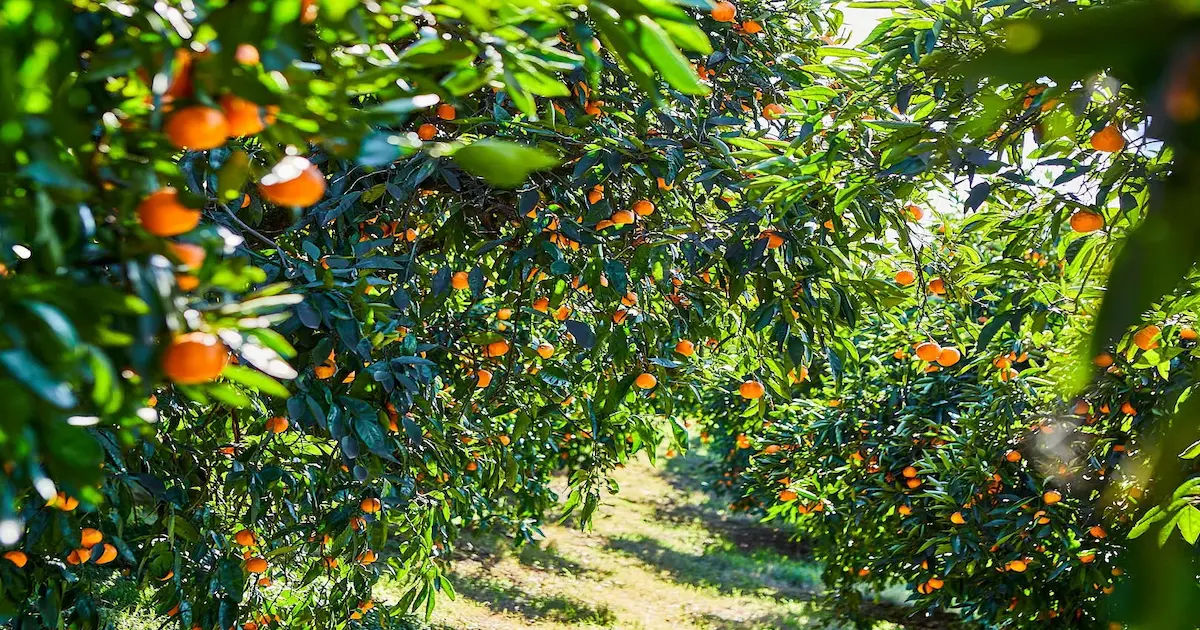
Climate does the quality work. Egypt's growing conditions consistently produce high-quality, well-flavored fruit — the foundation of its competitiveness against established Mediterranean origins. Production centers on Nubaria, the largest citrus zone, and spreads across the Delta governorates, with modern drip irrigation and contemporary orchard management raising both yields and consistency.
The export pipeline is mature. Harvested fruit moves through established sorting, grading, and packing operations before shipment — the same infrastructure that has made Egypt one of the world's leading citrus exporters overall.
Geography seals it. Short transit times to Europe, the Middle East, and Africa mean Egyptian mandarins arrive fresh — a decisive advantage in a category where freshness drives repeat purchase, and a familiar theme across Egypt's fast-growing export trade.
Beyond the Fruit Bowl
Mandarin demand is no longer only about fresh fruit. The health-eating trend keeps lifting consumption, and the fruit increasingly feeds processing applications — natural juices, confectionery, and canned fruit products. For processors, Egypt's combination of volume, varietal range, and a long winter harvest window makes it a natural raw-material base — the same logic that put Egyptian citrus at the center of the orange juice conversation.
What This Means for Buyers
Scale with an export orientation. Nearly a million tons of mandarins inside a sector that exports almost half its citrus output means availability is structural, not opportunistic.
A counter-seasonal winter window. Egypt's mandarin season runs through the winter months — complementing Southern Hemisphere supply calendars and giving year-round programs a Mediterranean leg.
Processed formats extend the season. Canned mandarin segments carry the fruit far beyond its fresh window — a steady retail and foodservice category where Egyptian raw material quality shows.
🍊 Key Takeaway
Egypt is the world's seventh-largest mandarin producer at ~988,000 tons a year, inside a citrus sector of 4.5 million tons with ~2 million tons exported. Quality climate, mature packing infrastructure, and short transit to Europe, the Gulf, and Africa make Egyptian mandarin a structural origin for both fresh programs and processed applications — from juice to canned segments.
Saporina's Mandarin Range
Saporina offers canned mandarin orange segments in light syrup — in retail, HORECA, and industrial formats, with private label options — alongside its wider canned fruit and citrus-based range. If mandarin products are part of your upcoming program, contact our team to discuss requirements.
📩 Plan Your Mandarin Program
Contact Saporina to discuss canned mandarin segments and citrus-based product requirements for the coming contract year.