The Season Is Underway
Egypt's fig harvest opened in late June, right on its traditional calendar, and will run continuously through October — one of the longest harvest windows of any Egyptian fruit. Picking happens daily in the cool early-morning hours, from around five to nine, because figs are among the most delicate fruits on the tree: harvested at the right moment and moved fast, or not worth harvesting at all.
Behind the four-month window sits a year-round orchard cycle: pruning and organic fertilization from December, a deliberate ~90-day irrigation pause through winter, first watering in March, and steadily increasing irrigation through the season — every ten days early on, tightening to every five days at harvest, because fig trees drink more than almost any other orchard crop.
Coming Off a Breakout Year
The 2025 season was described by growers as a turning point for Egyptian figs — the year experimentation turned into results. Favorable weather and accumulated know-how lifted both volumes and quality, with top desert-grown orchards reaching yields of up to 15 tons per feddan. Egyptian figs now move beyond the domestic market to buyers in Russia, Canada, and Arab markets, and growers entered 2026 expecting the trajectory to continue.
The expansion is happening on reclaimed desert land as well as in the traditional fig districts — sandy soils, drip irrigation, and modern orchard management producing fruit growers describe as world-class.
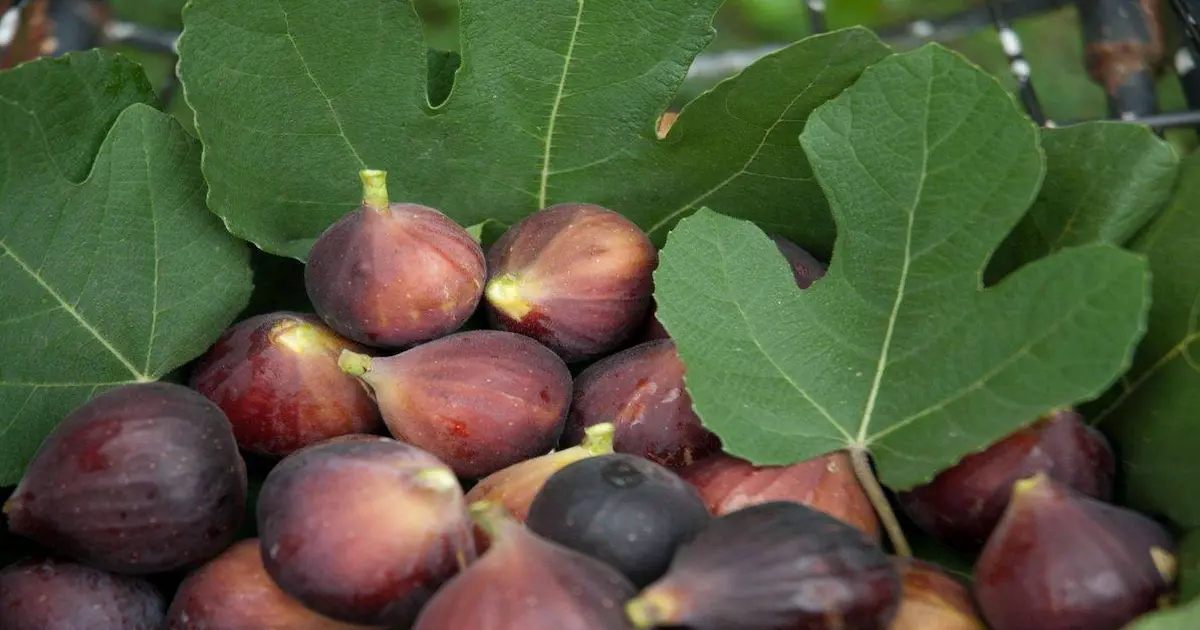
Red Figs, White Figs — and Why It Matters
The white fig story is the one to watch. Several white varieties are now in commercial production, and the supply that held them back is being solved season by season. For buyers, that means a premium fig segment is opening up at origin — in fresh fruit first, and progressively in processed formats.
What This Means for Buyers
A long, steady intake window. Four months of continuous daily harvest gives fig processing an unusually extended raw-material season. New-season fig jam, puree, and canned figs are produced across the summer and early autumn — and the window to discuss requirements against fresh intake is open now.
Momentum at origin. Rising yields, expanding plantings, and growing export experience mean Egyptian fig supply is on an upward path — a useful origin to build into programs while volumes are growing rather than after demand tightens them.
A premium segment emerging. White figs offer differentiation for retail and foodservice programs looking beyond the standard offering. Availability in processed formats is developing; early conversations shape what gets produced.
🟣 Key Takeaway
Egypt's fig harvest is underway — a four-month season through October, coming off a breakout year with yields up to 15 tons per feddan and exports reaching Russia, Canada, and Arab markets. With white fig plantings expanding into a premium segment, this is the window for buyers of fig jam, puree, and canned figs to plan programs against new-season fruit.
Saporina's Fig Range
Saporina's fig range covers fig jam, fig puree and concentrate, and canned whole figs in syrup — in retail, HORECA, and industrial formats, with private label options. If fig products are part of your upcoming program, contact our team to discuss requirements.
📩 Plan Your Fig Program
Contact Saporina to discuss fig jam, puree, concentrate, and canned fig requirements for the coming contract year.