The Season in Brief
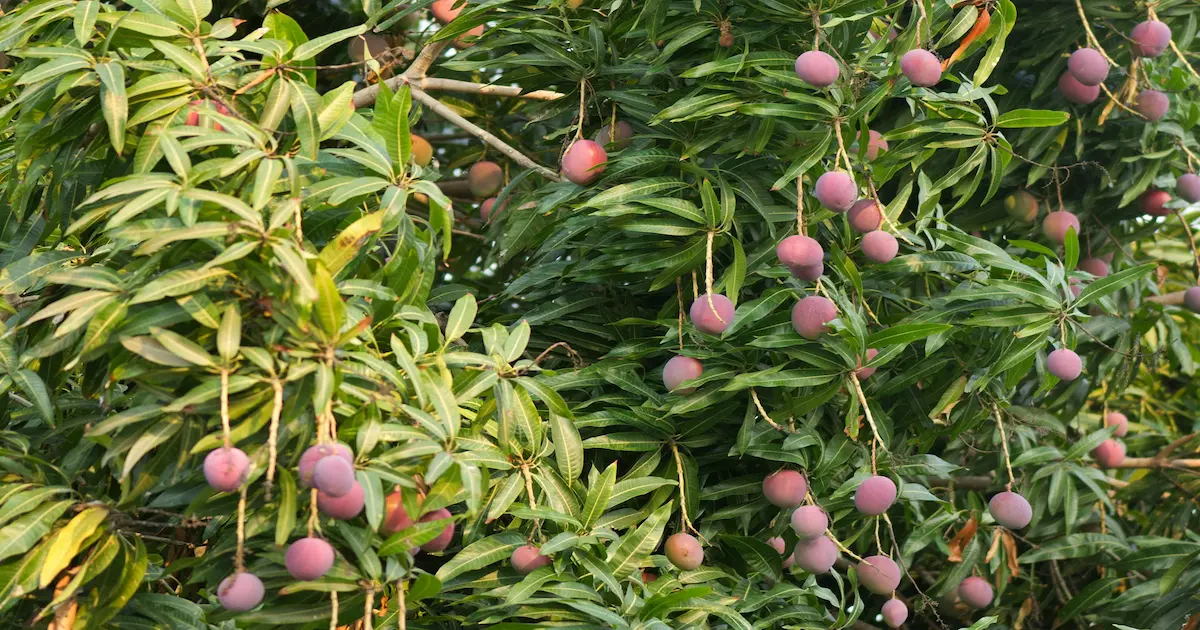
Egypt's mango orchards went through the same turbulent spring that pressured other fruit crops this year: sharp weather swings through March, April, and early May — precisely the window when mango trees flower, set fruit, and begin sizing. Production has been affected, but official agricultural assessments describe the impact as limited compared to past seasons that saw harsher conditions.
The clearest practical consequence is timing: with winter running long and spring running erratic, fruit development is behind schedule, and the season's market arrivals are expected to begin roughly two weeks later than usual. Daily agronomic advisories to growers — and reportedly strong uptake of them — have helped contain the damage.
The same assessments make a broader point worth noting: Egypt's climate pressures are affecting the productivity and quality of some crops in some seasons, not the viability of growing them. For buyers, that distinction matters — this is a season to adjust calendars, not to question the origin.
The Varieties Buyers Care About
What the Two-Week Shift Means
The processing calendar moves with the fruit. Mango intake for puree, concentrate, jam, and canned production follows the harvest — so this year's processing campaign starts and peaks later than usual. Buyers with fixed delivery schedules built around a normal-year calendar should expect first new-season shipments to shift accordingly.
A later start is not a smaller campaign. A delayed season compresses at the front, not necessarily in total. With the main processing varieties reported at acceptable levels, the working assumption is a near-normal intake arriving on a later clock — though, as always, the harvest itself will give the final answer.
Carryover bridges the gap. Aseptic mango puree and concentrate from the previous campaign are the natural bridge for buyers whose production schedules can't wait for new-season fruit. It's worth confirming carryover availability with suppliers now if your demand peaks early.
What Buyers Should Do
Re-time, don't re-plan. Shift new-season delivery expectations by roughly two weeks and align downstream production schedules accordingly. The signal from the orchards is delay, not shortage.
Confirm campaign timing with your supplier. Ask when intake is expected to start for the varieties in your specification, and when first new-season shipments would realistically land at your port.
Watch the harvest, not the headlines. Pre-season assessments are encouraging, but mango volumes firm up only as picking progresses through the summer. We'll update if the picture changes.
🥭 Key Takeaway
Egypt's 2026 mango season is expected to run about two weeks late after an erratic spring, but reported crop impact is limited and the key commercial varieties — including Keitt and Kent — are holding up. For buyers of mango puree, concentrate, jam, and canned mango: adjust delivery calendars for the later start, confirm campaign timing with suppliers, and use carryover stock to bridge early demand.
Saporina's Mango Range
Saporina's mango range covers aseptic puree and concentrate, mango jam, and canned mango in syrup — in retail, HORECA, and industrial formats, with private label options. If mango products are part of your upcoming program, contact our team to discuss requirements and seasonal timing.
📩 Plan Your Mango Program
Contact Saporina to discuss mango puree, concentrate, jam, and canned mango requirements for the coming season.