The Real Question Buyers Ask
For any buyer considering a new origin, the first question is rarely about price or volume. It's quieter, and it sits underneath everything: can I trust it? Will the product meet specification, clear inspection, and arrive as promised — every shipment, not just the first.
This is the hurdle Egyptian food has historically had to clear with Western buyers. And the most persuasive answer isn't a brochure or a certificate. It's watching what the most demanding buyers in the world actually do with their own money. On carrots, they've made their choice loudly.
When Europe's Buyers Voted with Their Orders
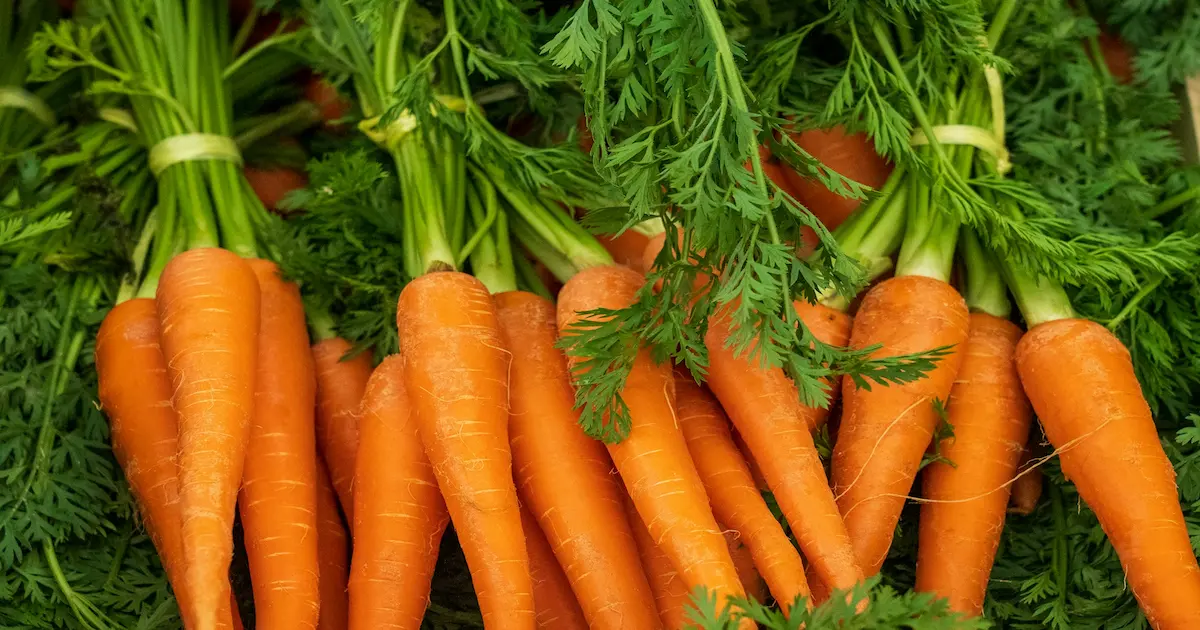
European produce buyers are among the strictest in the world — pesticide residue limits, traceability, cosmetic grading, and food-safety auditing that few origins clear consistently. In 2023, those buyers made Egypt their third-largest carrot supplier, importing around 12,000 tons — up from roughly 800 tons the year before. A 1,400% increase, the highest in the history of Egyptian carrot exports.
That surge wasn't a fluke of price. European demand had tightened — domestic production in some northern European countries fell, supply got short — and buyers went looking for an origin they could rely on at volume. They chose Egypt. When the toughest customers reach for your origin precisely when they can't afford a mistake, that is the trust signal that matters.
Why the Trust Is Earned, Not Lucky
From Fresh Fields to the Can
The carrot story is about fresh produce — but its real lesson is about origin trust, and that travels straight into the processed aisle. The same growing regions, the same compliance systems, and the same proximity that put Egyptian fresh carrots on European shelves also stand behind Egyptian canned carrots.
For buyers of processed vegetables, this matters in a specific way. A canned product is only as trustworthy as the raw material and the system behind it. When an origin has already proven — to Europe's strictest fresh-produce buyers — that its carrots meet the standard, the case for its canned carrots is half-made before the first sample ships. The trust earned in the field carries into the can.
What This Means for Buyers
The reference is real. If you've hesitated on Egyptian origin, the carrot data is a concrete, third-party reference point: Europe's demanding buyers didn't just try Egyptian produce — they made it a top-three supplier in a category where mistakes are expensive.
It generalizes across the basket. Trust in an origin isn't product-by-product; it's about the system. The compliance and quality infrastructure that wins carrot contracts is the same one behind Egyptian tomato products, beans, peppers, and canned vegetables — a pattern we've traced across Egypt's accelerating exports to Western markets.
Processed formats inherit the credibility. For canned carrot and mixed-vegetable programs, sourcing from an origin already validated by Europe's fresh-produce buyers reduces the perceived risk of trying something new.
🥕 Key Takeaway
Egypt became Europe's third-largest carrot supplier in 2023 — a 1,400% surge in EU-bound volume. For processed-food buyers, the headline isn't the carrot; it's the verdict: the world's most demanding buyers trust Egyptian produce. That trust, earned in the field, carries into the can — and across Egypt's whole vegetable range.
Saporina's Canned Vegetable Range
Saporina supplies canned carrots — sliced and ring-cut — alongside its wider canned vegetable and pulse range, including green peas, green beans, sweet corn, and white beans, in retail, HORECA, and industrial formats with private label options and full export documentation. If canned vegetables are part of your program, contact our team to discuss requirements.
📩 Source from a Trusted Origin
Contact Saporina to discuss canned carrots and vegetable requirements — full export documentation included with every shipment.