The Cost Spike
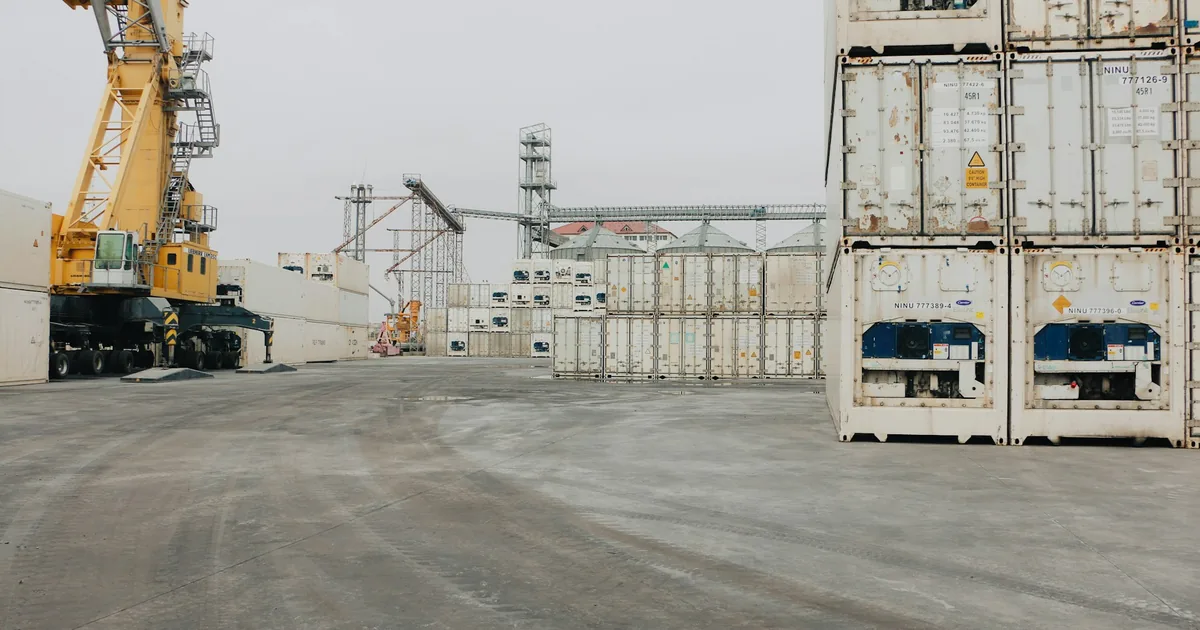
Refrigerated container shipping costs from Egypt to the Gulf have surged to $10,000 per container, according to the Egyptian Businessmen Association. Simultaneously, domestic freight costs (farm-to-port) have jumped 20–25% following Egypt's fuel price increase of 3 EGP per litre. Several transport operators have suspended or reduced services pending price renegotiations.
| Cost Factor | Impact | Details |
|---|---|---|
| Reefer to Gulf | $10,000 | Per container — up sharply from previous levels |
| Domestic Freight (farm-to-port) | +20–25% | Following Egypt's fuel price increase of 3 EGP/L |
| Fuel Surcharge | +3 EGP/L | National fuel price hike impacting transport operators |
Iran Crisis Surcharges
On top of the fuel-driven increases, shipping lines have imposed war risk and emergency surcharges on all containers destined for Gulf ports due to the Strait of Hormuz disruption. These surcharges apply to all cargo types:
| Container Type | Surcharge | Destinations |
|---|---|---|
| 20ft Dry | +$2,000 | Iraq, Bahrain, Kuwait, Yemen, Qatar, Oman, UAE, Saudi, Jordan, Djibouti, Sudan, Eritrea |
| 40ft Dry | +$3,000 | Same destinations |
| Reefer / Special | +$4,000 | Same destinations |
Some Egyptian exporters have temporarily suspended fresh and frozen shipments to Gulf destinations altogether, citing the cost increases as unsustainable at current contract prices. The Exporters Association warned that the surcharges threaten the competitiveness of Egyptian food exports to the region.
What This Means for Buyers
Refrigerated products are most affected. Frozen and chilled items—frozen strawberries, frozen vegetables, fresh produce—face the highest surcharges ($4,000 per container) on top of already elevated reefer rates. Buyers of these products should expect price adjustments or discuss shared logistics arrangements with their suppliers.
Shelf-stable products offer cost resilience. Canned goods, jarred products, aseptic purees, tomato paste, and dry goods ship in standard dry containers—where surcharges are $2,000–$3,000 lower than reefer. For buyers looking to manage logistics costs, shifting volume toward ambient/shelf-stable formats provides a structural advantage during this disruption.
The disruption may be temporary. Fuel costs are likely to remain elevated as long as the Iran conflict continues, but domestic transport costs in Egypt are stabilising as operators and exporters renegotiate. The Egyptian government is aware of the impact on export competitiveness and is monitoring the situation.
📦 Key Takeaway for Gulf Buyers
Reefer shipping costs to the Gulf have spiked due to fuel hikes and Iran crisis surcharges. Buyers can mitigate cost impact by shifting toward shelf-stable products (canned, jarred, aseptic, dried) which ship in dry containers at $2,000–$3,000 lower surcharge than reefer. Saporina's product range is predominantly shelf-stable, offering logistics cost resilience during this disruption.
Saporina's Shelf-Stable Range
The majority of Saporina's product range ships in standard dry containers—canned goods, jarred products, aseptic drums, and dried formats. This means lower surcharges, no cold chain dependency, and more predictable landed costs for Gulf buyers during the current disruption.
📩 Discuss Logistics with Saporina
Contact our team for current shipping timelines, container availability, and delivered pricing to Gulf ports. We provide transparent logistics updates and work with buyers to optimise container loading and routing.